Imperial Wharf upholstery cleaning tips for flats
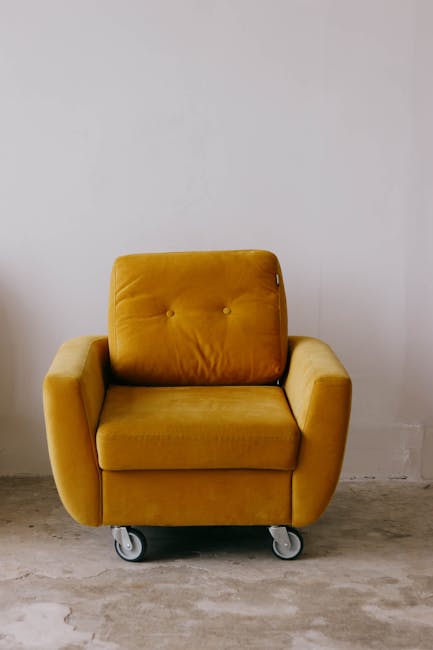
If you live in a flat, upholstery cleaning can feel oddly complicated. One sofa, one armchair, maybe a dining bench, and suddenly you are thinking about drying time, noise, parking, hallway access, and whether a wet patch is going to linger for two days. These Imperial Wharf upholstery cleaning tips for flats are written for exactly that reality. The aim is simple: help you clean fabric furniture safely, keep it looking good for longer, and avoid the little mistakes that become expensive in a smaller home.
Imperial Wharf flats often deal with tight rooms, shared entrances, and furniture that has to do a lot of work in a small footprint. That means upholstery care is not just about appearance. It is about hygiene, odour control, faster drying, and protecting the fabric you rely on every day. Below, you will find a practical guide that covers stain treatment, routine maintenance, method choice, and when a professional clean makes far more sense than another round of DIY guesswork. Let's face it, nobody wants a sofa that smells faintly of damp on a rainy Thursday evening.
- Why it matters
- How it works
- Key benefits
- Who this is for
- Step-by-step guidance
- Expert tips
- Common mistakes
- Tools and resources
- Law, compliance, standards and best practice
- Options and comparison
- Real-world example
- Practical checklist
- Conclusion
- Frequently asked questions
Why Imperial Wharf upholstery cleaning tips for flats Matters
Upholstery in a flat tends to take more visible abuse than people expect. You sit on the same sofa every day, eat on it when you should not, work from it, nap on it, and sometimes let a pet claim half the cushion. In a smaller home, grime builds up faster because there is less room to spread out, less airflow around large furniture, and fewer chances to "forget" a mark before it sets. A good cleaning routine helps keep fabric fresher and extends the life of the furniture you already own.
For Imperial Wharf residents, there is also the practical side. Flats can be awkward for wet cleaning because stairs, lifts, communal corridors, and limited parking all add friction. You need a plan that suits apartment living, not just a generic home-cleaning checklist copied from a large house. That means thinking about fabric type, drying times, access, neighbour-friendly timing, and whether the cleaner you use is appropriate for your building. If a piece of upholstery is expensive, awkward to move, or part of a fitted living room setup, a careful approach really does matter.
There is a simple truth here: most upholstery damage is not dramatic. It is slow. A little body oil here, a coffee ring there, sunlight on one armrest, a bit of general wear. Then one day the sofa looks tired even though you cannot pinpoint why. Regular attention prevents that slow decline. And yes, it is much easier than trying to revive a neglected fabric later.
How Imperial Wharf upholstery cleaning tips for flats Works
Good upholstery cleaning follows the same basic logic whether you are in a studio flat or a larger home: identify the fabric, remove loose dirt, treat marks gently, clean with the right level of moisture, and dry quickly. The difference in a flat is that every step needs a bit more planning. Over-wetting is risky, ventilation can be limited, and if the furniture is in a narrow room, you need to work in a way that does not soak everything around it.
Most modern upholstery falls into one of a few broad cleaning approaches. Some fabrics are fine with light detergent and careful blotting. Others respond better to low-moisture extraction or specialist cleaning. Some covers are removable, but many are not. Before you do anything, check the care label if it is present. That little tag is often the difference between a successful clean and a fuzzy patch where the weave has been disturbed.
In a flat, the cleaning process usually works best in stages:
- Vacuum thoroughly to lift dust, crumbs, pet hair, and grit.
- Test a small hidden area before using any solution.
- Deal with stains as soon as possible, using a blotting method rather than scrubbing.
- Use only the amount of moisture the fabric can handle.
- Speed up drying with ventilation, open windows, and reasonable warmth.
If you are booking a professional, it is worth checking the service details for expert upholstery cleaning and, if your sofa has a particularly stubborn mark, the company's approach to specialist stain removal. A good provider should be able to explain what method they will use and why. That clarity matters more than fancy promises.
Key Benefits and Practical Advantages
Clean upholstery is not just about making the room look tidier. In a flat, the benefits are more immediate because you live close to everything. You notice smells quicker, dirt shows more clearly, and furniture sits at the centre of daily life. Keeping it clean gives you a better-feeling home, plain and simple.
- Improved freshness: Fabric holds onto odours from food, pets, damp coats, and daily use. Regular cleaning reduces that stale background smell.
- Longer fabric life: Dirt particles act a bit like sandpaper. Remove them often and the fibres last longer.
- Better appearance: Even a light clean can lift the look of a room. Sofas and chairs stop looking flat and greyed out.
- Less risk of stain setting: Quick action on spills prevents deep penetration into the padding.
- More comfortable living space: In small flats, furniture is part of the atmosphere. Clean upholstery makes the whole room feel calmer.
There is another advantage that is easy to overlook: routine care helps you notice problems early. A loose seam, a patch of fading, a small tear, or a recurring spill zone can all be managed before they become annoying. That is the kind of dull-but-useful win that saves money later.
If you want a fuller home-care approach, related services such as sofa cleaning and rug cleaning can support the same goal: less grime in the room, less wear on the fabric, and a cleaner overall finish.
Who This Is For and When It Makes Sense
These tips are useful for almost anyone in Imperial Wharf with fabric furniture, but some households will benefit more than others. If your flat has a compact open-plan living area, your sofa probably sees constant use. If you work from home, you may be sitting on the same seat for hours each day. If you have children, pets, or a busy social routine, your upholstery is working overtime.
It also makes sense if you are moving in or out, preparing a property inspection, or trying to improve indoor freshness without redecorating. Sometimes a room does not need a new sofa at all. It just needs the existing one to stop looking dull. Truth be told, that is often enough.
Here are the most common situations where a proper clean is worth it:
- After food and drink spills that left a visible mark
- When pet hair and odour have built up over time
- Before guests stay over or a special event
- At the end of a damp season, when fabric has absorbed a stale smell
- When a sofa or chair has started to look "worn" rather than simply dirty
If you are comparing options or trying to understand value, the pricing and quotes page is a sensible place to start. It is much easier to plan a clean when you know what you are asking for, especially in a flat where access and drying time can affect the job.
Step-by-Step Guidance
This is the practical part. If you follow these steps carefully, you will avoid most of the common upholstery mistakes people make in flats. No drama, no over-soaking, no panic when the cushion looks blotchy for an hour.
1. Read the care label first
The care label tells you whether the fabric can handle water-based cleaning, solvent-based cleaning, or only professional treatment. If the label is missing, be more cautious than usual. That is not being fussy; it is being sensible.
2. Vacuum every surface
Use a soft brush attachment and get into seams, piping, under cushions, and around buttons. Crumbs and grit are the enemy here. They make the cleaning less effective and can leave a scratchy feel if left behind.
3. Spot-test any solution
Choose a hidden patch, apply a tiny amount, and wait. Look for colour transfer, texture change, or a ring mark. If anything looks off, stop. That small pause can save the entire piece.
4. Treat stains from the outside in
Blot rather than rub. Start at the edge of the spill and work inward to avoid spreading it. Use white cloths or plain paper towels so no dye transfers to the fabric.
5. Use minimal moisture
In flat living, drying time matters. A surface that is too wet can smell musty or encourage hidden damp in the cushion filling. Use just enough liquid to work the stain loose. More is not better here.
6. Dry the fabric properly
Open windows if the weather allows, use airflow where safe, and leave cushions slightly apart if possible. If your flat has limited ventilation, give the piece extra time. Rushing this stage is where people go wrong. Every time.
7. Reset the room
Once the upholstery is dry, replace cushions, fluff the filling, and check for any edges that still look damp. A quick final vacuum can help restore the pile on textured fabrics.
If the item is large, delicate, or not responding well to home care, a more professional finish is often the better call. You can also review the company's health and safety approach and insurance and safety information before booking. That sort of reassurance is not overkill. It is common sense.
Expert Tips for Better Results
A few small habits make a big difference. You do not need a huge kit or a complicated routine. You need consistency and a light touch. That is usually enough.
- Act quickly on spills: Fresh marks are much easier to lift than dried-in stains.
- Rotate cushions: Even wear helps fabric age more evenly and keeps the sitting area from flattening too fast.
- Use a lint roller between deeper cleans: Handy for pet hair and everyday fluff in a small flat.
- Keep food and dark drinks off delicate fabrics: Obvious advice, yes, but life happens.
- Ventilate the room after cleaning: That fresh-air stage is worth its weight in gold.
- Choose the gentlest method that works: Harsh scrubbing often causes more damage than the stain itself.
One little observation from real homes: the armrests and front seat cushions usually show wear first, not the middle of the sofa. Those contact points deserve extra attention, especially in flats where the sofa acts as a dining chair, desk chair, and television throne all in one. A bit of preventative care there goes a long way.
If your room includes curtains or a large rug, cleaning those alongside upholstery can make the whole space feel brighter. That is where curtain cleaning can be a useful complement, especially if dust and odour seem to linger in the room no matter how often you tidy. Strange how one clean surface makes the others look worse, isn't it?
Common Mistakes to Avoid
Most upholstery mishaps come from trying to hurry or trying to be too aggressive. The intention is good. The outcome, not always.
| Mistake | Why it causes problems | Better approach |
|---|---|---|
| Scrubbing a stain hard | Pushes dirt deeper and can roughen the fabric | Blot gently and repeat with patience |
| Using too much water | Leaves long drying times and can create odour | Use low-moisture cleaning wherever possible |
| Skipping a test patch | Raises the risk of fading or water marks | Test in a hidden area first |
| Cleaning without vacuuming first | Turns loose grit into abrasive paste | Vacuum thoroughly before any wet treatment |
| Leaving cushions damp | Can lead to odour and an uneven finish | Allow full drying with airflow |
Another mistake is assuming every stain needs the same treatment. Coffee, grease, food colouring, pet accidents, and general soiling are different beasts. If you treat everything as one category, you end up chasing the stain around the fabric. A little judgement helps a lot.
Pet-related marks can be particularly stubborn, especially if odour has settled into the padding. If that sounds familiar, pet stain and odour removal is the kind of specialist support that can save a sofa you thought was beyond help.
Tools, Resources and Recommendations
You do not need a warehouse of gear to clean upholstery well in a flat. In fact, having too many products can make things messier. A small, sensible kit is usually best.
- Vacuum with upholstery attachment: Essential for daily dirt and dust.
- Microfibre cloths: Good for blotting and gentle surface work.
- Soft brush: Useful for lifting dry debris from textured fabrics.
- Plain white towels or cloths: Helpful for stain treatment without colour transfer.
- Fan or good natural airflow: Speeds up drying after cleaning.
- Fabric-safe cleaning solution: Only if the care label allows it.
If you are considering professional help, look for a service that explains methods clearly, respects building access, and handles furniture carefully. In a flat, that means more than just showing up with a machine. It means being tidy in shared spaces, protecting floors, and understanding that a good result should not create a headache for the rest of your evening.
You can also explore the company's wider home-cleaning services, including carpet cleaning and steam carpet cleaning, if you want the whole living room refreshed rather than only one item. Sometimes the room needs a reset more than the sofa does.
Law, Compliance, Standards, or Best Practice
For most residents, upholstery cleaning is a practical household task rather than a regulated one. Even so, there are sensible UK best-practice points to keep in mind. In flats, especially, you should think about access, ventilation, and safe product use. If a cleaner is working in your home, it is reasonable to ask how they manage slip risk, electrical equipment, and moisture around fabric and flooring.
Best practice also means checking lease or building rules where relevant. Some blocks are strict about service access, lift use, and parking. That is not glamorous, but it avoids awkward conversations with building management. If you are using a professional cleaner, it helps if they are clear about scheduling, arrival arrangements, and what they need from you before work starts.
Product safety matters too. Use cleaning solutions as directed, keep them away from children and pets, and avoid mixing chemicals. It sounds obvious, but accidents happen when someone thinks a second product will "boost" the first. It usually does not. It just creates a smell and a mess.
If you value transparency in the booking process, checking the terms and conditions, privacy policy, and payment and security information is a sensible part of due diligence. That is just a normal part of hiring any service in your home.
Options, Methods, or Comparison Table
Different upholstery methods suit different fabrics, levels of soiling, and flat living constraints. This comparison should help you decide what makes sense before you start spraying or booking.
| Method | Best for | Advantages | Limitations |
|---|---|---|---|
| Vacuum-only maintenance | Light dust and weekly upkeep | Fast, safe, no drying time | Won't lift stains or odours |
| Spot cleaning | Fresh spills and small marks | Targeted and low effort | Can leave rings if overdone |
| Hand cleaning with cloths | Careful fabric refresh | Controlled moisture, ideal for flats | Slow for large pieces |
| Low-moisture professional cleaning | Heavier soiling and broader refresh | Deeper clean with less water | Usually needs booking and drying time |
| Full extraction cleaning | More robust upholstery and persistent grime | Very effective on embedded dirt | Not suitable for every fabric; drying matters |
For many Imperial Wharf flats, low-moisture or carefully controlled professional cleaning is the sweet spot. You want good results without turning your living room into a damp waiting room. Simplicity wins, honestly.
Case Study or Real-World Example
Imagine a two-bedroom flat with an open-plan kitchen and lounge. The sofa sits a little too close to where food gets eaten, the armrest nearest the window has faded slightly, and there is a pale coffee mark on one cushion that has been there for weeks. Nothing dramatic, just the sort of slow build-up people stop noticing.
The owner starts with a thorough vacuum, then checks the care label and tests a small hidden area with a fabric-safe solution. The coffee mark softens, but not completely. Instead of scrubbing harder, they repeat the process gently and blot with a dry cloth between each pass. They open the windows, keep the cushions apart, and leave the room ventilated for the rest of the afternoon. By evening, the sofa smells cleaner, the stain is lighter, and the whole room looks fresher.
The bigger change is not just visual. The flat feels easier to live in. That matters more than people admit. A clean sofa makes the room feel looked after, and when your home is compact, that feeling spreads quickly. No magic, just good method and a bit of patience.
In other cases, the furniture may be past the point where DIY makes sense. Deep odour, old grease marks, or delicate material can all justify calling in a specialist. If the item is part of a broader refresh, pairing it with mattress cleaning can also improve the overall freshness of the flat, especially if bedrooms have started to feel a touch stale.
Practical Checklist
Use this quick checklist before you begin. It keeps the process calm and prevents the usual "I'll just wing it" moment that tends to end badly.
- Check the upholstery care label
- Identify the stain type before choosing a method
- Vacuum cushions, seams, and crevices
- Test any solution in a hidden area
- Use minimal moisture and clean gently
- Blot, do not scrub
- Allow plenty of drying time
- Ventilate the room well after cleaning
- Keep children and pets away from damp upholstery
- Book a professional clean if the fabric is delicate or the stain is stubborn
Expert summary: In flats, the best upholstery cleaning is usually the one that uses the least moisture, the least force, and the most patience. That approach protects the fabric, reduces drying problems, and keeps shared living spaces feeling fresh.
Get a free quote today and see how much you can save.
Conclusion
Imperial Wharf upholstery cleaning tips for flats come down to a straightforward principle: treat your furniture carefully, clean it regularly, and respect the limitations of apartment living. A flat is not the place for heavy-handed methods or impatient drying. It rewards a lighter touch, a little planning, and a willingness to stop before you overdo it.
If you remember only three things, make them these: vacuum first, blot stains instead of scrubbing, and dry everything fully before using the furniture again. Simple, yes. But effective. And in a busy flat, effective is exactly what you want.
Whether you are freshening up a sofa, dealing with a stubborn mark, or trying to make a smaller home feel more comfortable, the right upholstery routine can make a real difference. Small effort. Big payoff. Funny how often that is true.
For readers who want a more hands-off approach, professional help can be a sensible next step. Either way, a cleaner, calmer living space is well within reach.
Frequently Asked Questions
How often should upholstery be cleaned in a flat?
For general maintenance, vacuum weekly and treat spills as soon as they happen. A deeper clean is often sensible every 6 to 12 months, but busy households, pets, or heavy use may need it sooner.
What is the safest way to clean a sofa in a small flat?
Start with vacuuming, test any product on a hidden area, and use the least moisture possible. In a flat, fast drying is just as important as stain removal, so ventilation matters a lot.
Can I clean upholstery with household products?
Sometimes, but only if the fabric care label allows it and the product is suitable. Mild, fabric-safe solutions are usually safer than improvising with strong cleaners. When in doubt, go gentle.
Why does upholstery smell worse after cleaning sometimes?
That usually happens when too much moisture is left in the fabric or filling. It can also happen if the stain was only pushed deeper. Proper drying and careful method selection help prevent this.
Is steam cleaning suitable for all upholstery?
No. Some fabrics can handle it well, while others may shrink, fade, or develop texture issues. Always check the care label first, and if the fabric is delicate, ask about safer alternatives.
How do I remove pet odours from a sofa in a flat?
Vacuum first, treat the affected area carefully, and make sure the furniture dries completely. If the smell has soaked into the padding, specialist pet stain and odour treatment is often more effective than DIY cleaning.
What should I do if a stain has already set?
Do not scrub aggressively. Try a careful stain-treatment method, but if the mark is old, greasy, or spreading, professional stain removal is often the better option. Set stains are stubborn for a reason.
How long does upholstery take to dry in a flat?
Drying time depends on fabric type, humidity, room temperature, and how much moisture was used. In a flat with limited airflow, it can take several hours or longer, so plan ahead and ventilate the room well.
Will upholstery cleaning damage delicate fabrics?
It can if the wrong method is used. Silk blends, velvet, antique fabric, and some textured materials need extra care. That is why testing a hidden area and understanding the care label are so important.
Is it worth booking a professional upholstery clean for one sofa?
Often, yes. If the sofa is heavily used, visibly marked, or difficult to clean safely at home, professional treatment can save time and reduce the risk of damage. In a flat, convenience is a real bonus too.
Can upholstery cleaning help with allergies or dust?
It can help reduce dust, pet hair, and general debris in fabric, which may improve day-to-day comfort. It is not a medical treatment, of course, but a cleaner soft-furnishing environment usually feels better to live in.
What is the biggest mistake people make with flat-friendly upholstery cleaning?
Using too much water and not allowing enough drying time. That one problem causes a surprising amount of trouble, from odour to water marks to general disappointment. A lighter touch usually works better.